Aviation Switching Module – NSN 4920-01-250-2696 (AS-IS / Untested): Specialized Aircraft Test and Control Hardware
Aviation Switching Module – NSN 4920-01-250-2696 (AS-IS / Untested): Specialized Aircraft Test and Control Hardware
Blog Article
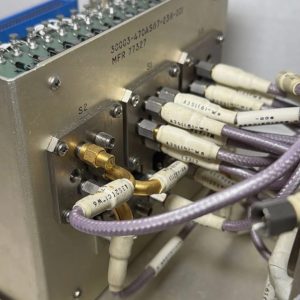
The Aviation Switching Module – NSN 4920-01-250-2696 (AS-IS / Untested) should be purchased with the understanding that no operational, calibration, serviceability, compatibility, or installation guarantee is being made.
The Aircraft Switching Module offers potential maintenance or restoration value, while the Aerospace Switching Module must be inspected for condition, completeness, modification, and storage-related deterioration.
An Aircraft Electrical Switching Module can have commercial value for technicians, while an Aviation Electrical Control Module or Aerospace Electrical Control Unit requires qualified bench evaluation before operational consideration.
The Aviation Control Module may be associated with a larger Aircraft Electronic Switching System, while the Aerospace Switching Unit and Aircraft Electrical Module should be inspected before connection or installation.
Overview of the Aviation Switching Module
The seller should provide clear photographs of every label, marking, connector, switch, control, mounting point, enclosure surface, and included accessory.
An identification plate should not be removed, repainted, altered, or covered because it may provide the strongest evidence of the component’s origin.
Untested Switching Module Condition
AS-IS and untested means the module is offered without confirmation that it powers on, switches circuits, communicates with associated equipment, meets specifications, or performs its original function.
Improper voltage, polarity, grounding, current, signal input, or connector pin assignment can damage the module and connected equipment.
Evaluating Aircraft Switching Functions
A module used with maintenance equipment may function differently from one installed onboard an aircraft.
Missing knobs, guards, labels, connectors, covers, or fasteners may reduce completeness.
Rugged Aviation Module Design
The module may have been designed for vibration, transportation, storage, maintenance, or aerospace operating environments, but present performance should not be assumed.
Connector damage can prevent proper mating or create electrical shorts even when the module enclosure remains intact.
Aircraft Electrical Switching Module Inspection
A burnt odor, melted material, soot, or arcing marks should be disclosed clearly.
The module should not be modified simply to produce a temporary power-on result.
Maintaining Electrical Control Equipment
An Aviation Electrical Control Module can coordinate or select electrical functions within a compatible aviation or support-equipment system, depending on its documented design.
Missing labels or faded markings can make operation difficult and may increase the risk of improper testing.
Choosing an Aircraft Power Switching Module
An Aircraft Power Switching Module may connect, disconnect, select, or manage compatible electrical power circuits when designed for that function.
Any successful limited test should be documented precisely without changing the overall status beyond what was actually verified.
Aerospace Electrical Control Unit Evaluation
An Aerospace Electrical Control Unit may combine switching, control, indication, interface, or distribution functions within one enclosed assembly.
Replacement components should match the required electrical, mechanical, thermal, and environmental characteristics of the original design.
Aviation Signal Routing Equipment
Qualified evaluation supports responsible Aircraft Signal Switching Module use.
Shielding, grounding straps, connector shells, cable clamps, and enclosure read more bonding can influence signal performance where included in the original design.
Control Module Compatibility Review
A module removed from its original system can be difficult to test without supporting equipment and documentation.
A matching NSN or housing does not always confirm identical internal configuration when modifications or supersessions exist.
Restoring Aviation Switching Hardware
Its value depends on identity, completeness, cosmetic condition, connector integrity, internal status, rarity, and availability of documentation.
Removable demonstration leads or external training fixtures may preserve originality better than permanent alteration.
Aerospace Power Distribution Module Considerations
A module should not be loaded electrically until contact condition, insulation, wiring, and circuit configuration are understood.
Additional mounting holes should not be drilled until the component application is established.
Aircraft Electrical Control Unit Inspection
The unit should be photographed before and after any preservation work.
Continuity measurements, insulation checks, contact-resistance testing, and component examination may be appropriate when performed by qualified personnel.
Inspecting a Power Control Module
An Aviation Power Control Module can have specialized applications within aircraft systems, aerospace ground equipment, maintenance platforms, or test installations.
Safe handling is important even when the Aviation Power Control Module is sold strictly AS-IS.
Electronic Switching Module Applications
A single module removed from the system may not be testable through ordinary standalone methods.
Intermittent switching problems can result from worn contacts, damaged connectors, corrosion, weak relays, cracked solder joints, unstable power, or harness faults.
Protecting an Aerospace Switching Unit
Desiccant or moisture-control materials should not contact electrical components directly unless appropriate.
The module should be enclosed in a moisture-resistant protective layer and placed inside a strong outer carton or suitable shipping case.
Choosing an Aircraft Electrical Module
The potential cost of connectors, manuals, test equipment, repairs, components, and specialist labor should be included in the buying decision.
Unknown information should remain clearly identified as unknown.
NSN 4920-01-250-2696 Buying Checklist
A pre-purchase review should confirm the NSN, manufacturer, part number, serial number, markings, enclosure condition, connectors, switches, included accessories, storage history, modification status, and known application.
- Verify the module identity through its NSN, data plate, physical configuration, connector arrangement, and available technical references.
- Inspect switches, knobs, indicators, connectors, pins, wiring, and terminals for damage, looseness, contamination, overheating, or unauthorized repair.
- Confirm the written invoice, AS-IS terms, payment protection, packaging method, shipping insurance, inspection period, and return conditions.
Safe Testing of an Aircraft Switching Unit
Testing should begin with identification research, visual inspection, connector mapping, safety review, and examination of available technical documentation.
Test results should identify which circuits or functions were checked and which remain unknown.
Repairing Legacy Aviation Control Hardware
Restoration should begin with condition documentation, careful cleaning, technical research, component identification, fault isolation, and repair planning.
The final product status should describe only the functions that were evaluated successfully.
Aviation Switching Module Conclusion
For the right purchaser, the unit can offer a useful foundation for technical research, controlled troubleshooting, component recovery, or legacy-equipment restoration.
Buyers should request detailed photographs, accurate AS-IS disclosures, technical research, secure transaction terms, protective shipping, and qualified evaluation where appropriate.
Whether buyers need an Aircraft Power Switching Module, Aerospace Electrical Control Unit, Aircraft Signal Switching Module, or Aviation Control Module, electrical specifications should be verified before testing.
With transparent condition reporting, secure shipping, controlled testing, appropriate repair methods, and accurate records, the unit can support a professional aerospace project.
Report this page